

For those of us who value a healthy body, the word “conditioning” evokes a powerful image.
Some of my earliest training happened in middle school PE classes. I respected my coaches and followed their advice — even when the science was thin. I remember one telling us that dark urine after exercise was a good sign. We now know it means dehydration and may be a sign of other health problems. That misconception became part of my conditioning.
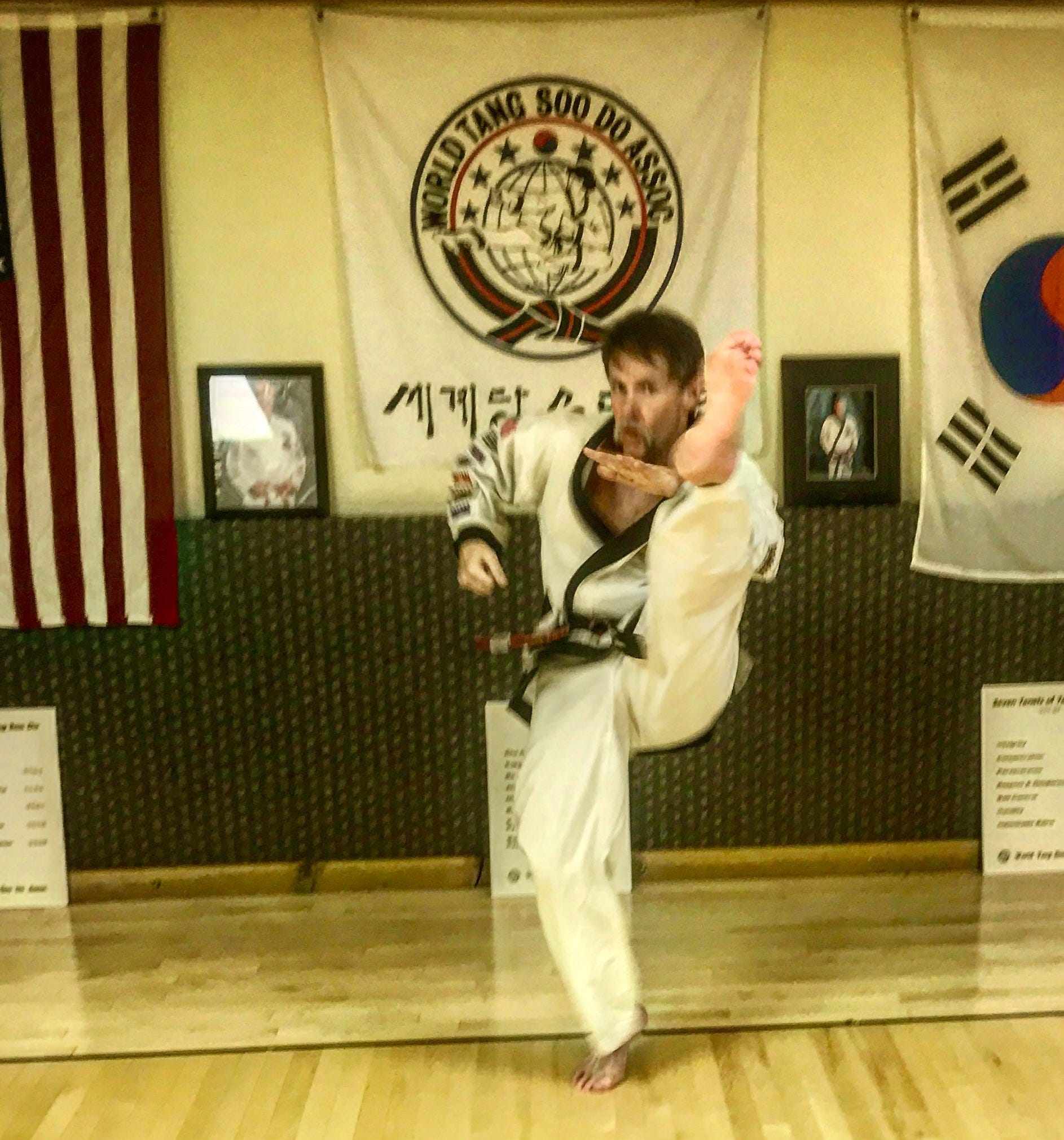
For far too long, I carried many other misconceptions. I’m grateful to my martial arts instructors who insisted on proper form, but there were still times my body suffered because I pushed to meet the demands of high-level practice. That’s part of the process — physical demands build mental character and cultivate a more refined spirit.
In martial arts — and in life — the mistake isn’t in doing the work. It’s in failing to recognize when the process is creating a net negative rather than a net positive.
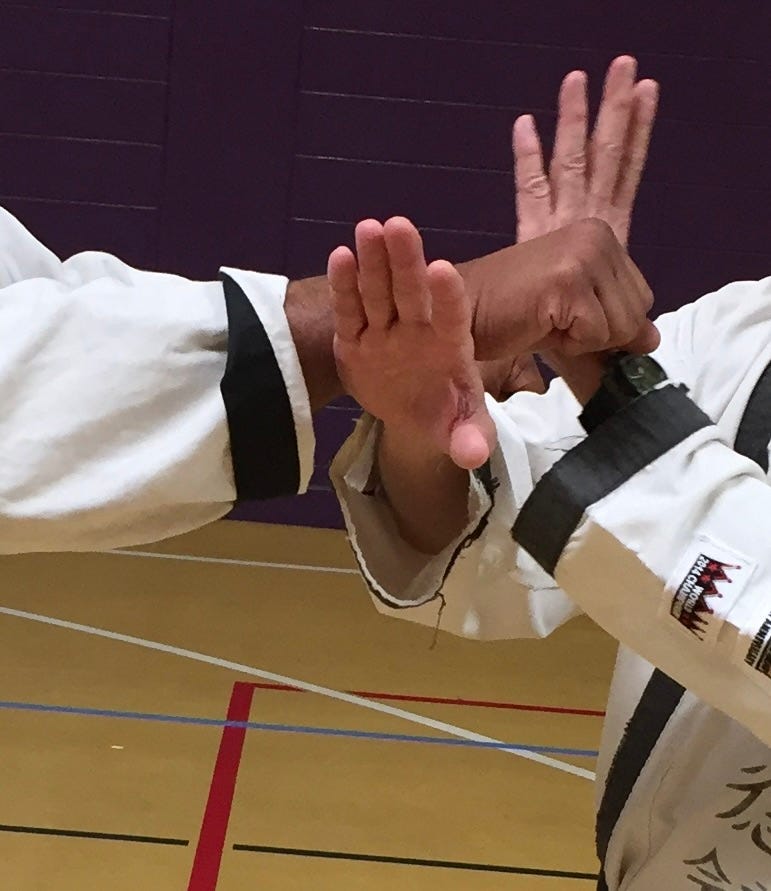
After decades of studying the biological effects of physical conditioning, I’ve come to see things differently. As a chiropractor, I’ve long believed that your body innately knows what it needs, precisely when it needs it, and in exactly the right way. The key is to listen to your innate intelligence — rather than letting your educated intelligence get in the way.
We’re All Conditioned
We’re shaped by what we see and hear, and even more deeply by how we interpret our experiences. Over time, we become conditioned about conditioning itself — doing things simply because we believe “that’s just how it’s done.” That can block real progress, even when we’re convinced we’re making good choices.
When most people hear the word “conditioning,” they picture gasping lungs and burning muscles. It takes me back to high school football, when our coach would smile if someone ran to the bushes to vomit. We were all conditioned to believe that pushing beyond our limits wasn’t just acceptable — it was the desired outcome.
Goals matter. Dedicated, intentional effort produces results. My practice attracts athletes and active people who understand this. To me, a life well lived includes real growth — physical, mental, and social. That takes planning. Real work for real results.
One of my Master Instructors put it simply: it’s sometimes necessary to train at 110% — but most of the time, train at about 80%. Reserves allow you to perform at your highest when a situation truly demands it.
In martial arts, peak performance can save your life. We’re taught: “When fighting, choose with sense and honor.” That maxim applies to conditioning, too — choose your training level wisely, and honor the outcome you’re working toward.
Perhaps “training easy to go hard” is just another way of saying the body naturally ebbs and flows under the direction of an innate intelligence.
The Spectrum
I see both ends in my practice. Here in Lake Tahoe, the culture leans toward overtraining, and that drives most of the physical challenges I treat. Patients come in with the nagging issues that keep them from doing what they love. My work helps them recover and return, even when they’re still pushing hard.
But there’s another side that can be even more challenging: people who’ve moved away from movement altogether. Maybe exercise always felt like a punishment. Maybe an injury has never fully healed. Maybe life got busy, and movement quietly fell away. Whatever the reason, they stopped.
Most people sit somewhere between these two poles. They don’t give conditioning much thought. They’re passively conditioned by advice from Instagram, TikTok, or even professional trainers. That advice isn’t always wrong—but I’d encourage you to run it through a filter. Give more weight to messages that come innately from within you than to those that come from the outside.
When you know you’re pushing beyond your limits and choose to continue anyway, there’s a reason. Your innate intelligence is telling you what your body needs. Your educated intelligence weighs that against other goals and values. Both have a role — the key is to listen to them and understand that listening to innate intelligence will often serve you better than outside, educated influences.
The Fundamentals
There’s no mystery to conditioning. After many years of martial arts practice, I still follow the advice my seniors gave me: “Practice basic techniques all the time.” No need to be fancy. Let’s focus on what works.
Physical conditioning has three parts. They work synergistically; no single element stands alone.
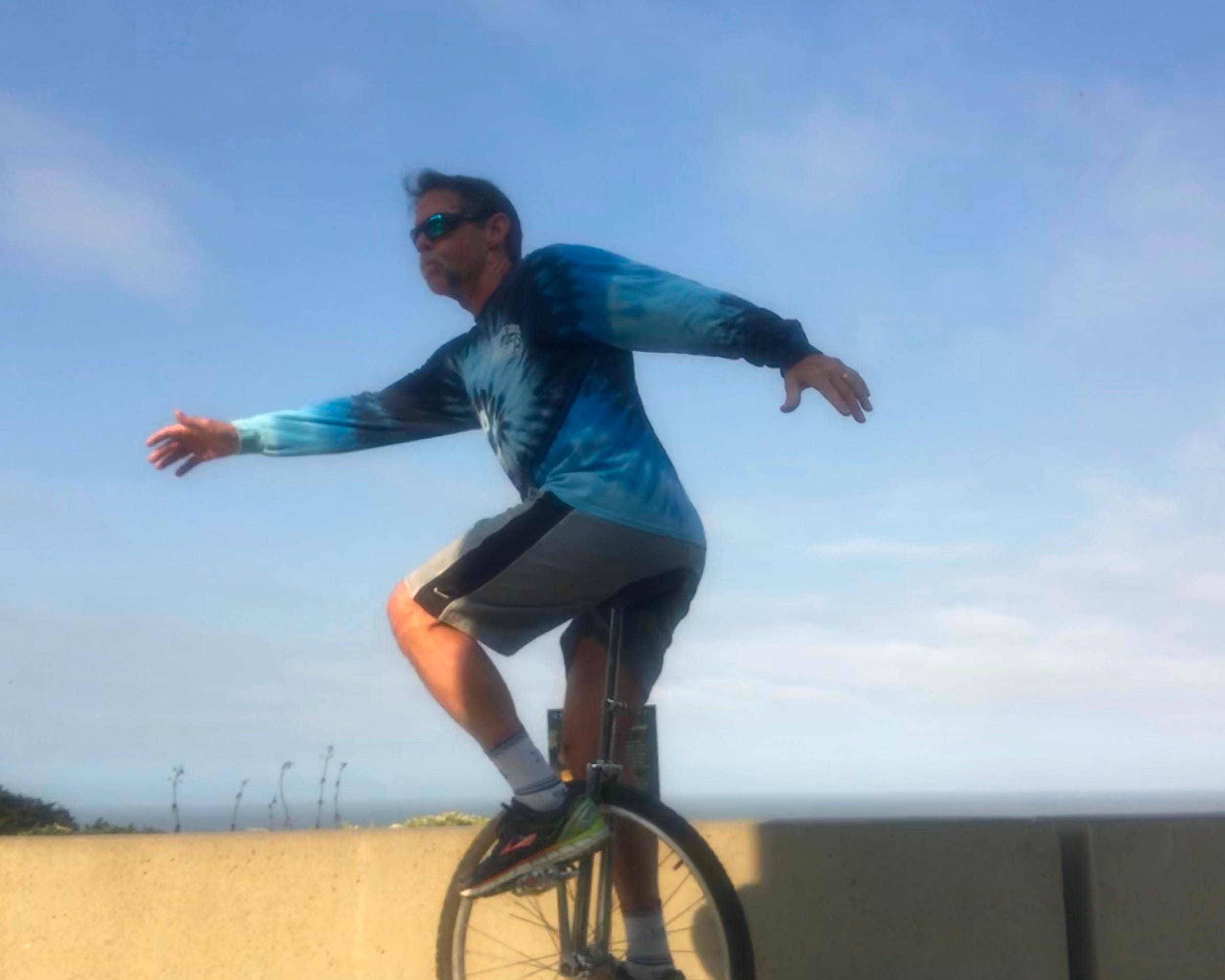
Aerobic capacity supports endurance, cardiac health, recovery, and metabolic balance. The best aerobic exercise is the one you’ll actually do. Running, cycling, walking, hiking — all good choices. Three to four sessions a week build and maintain meaningful capacity.
Quick tip: Aim for a pace where you can just barely hold a conversation. That’s your aerobic sweet spot.
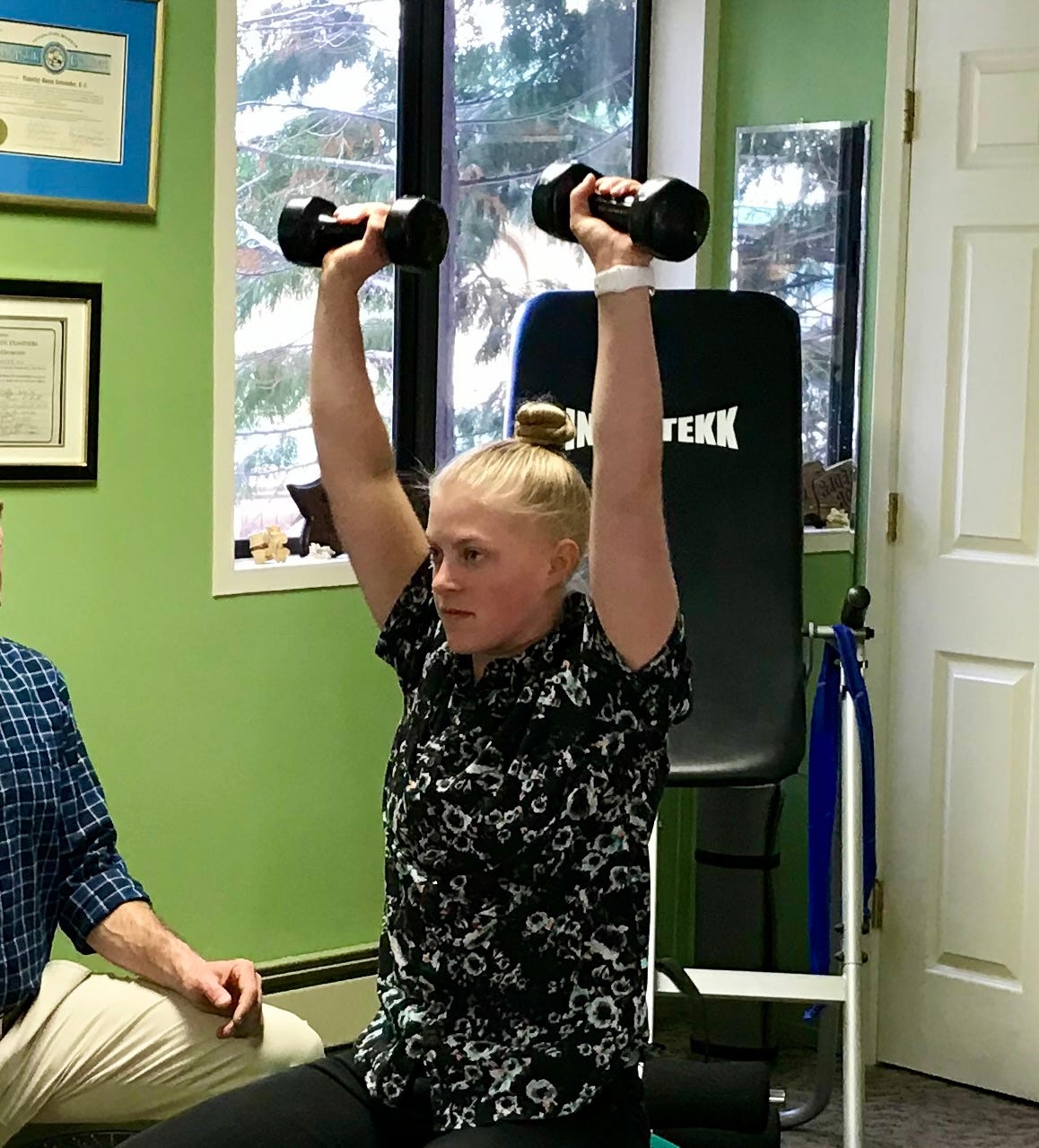
Strength is your foundation — essential for joint health, bone density, metabolism, and everyday capability. Two to three sessions a week, focused on movement patterns rather than isolated muscles, are enough for most active adults.
Quick tip: Push, pull, hinge, squat, carry. Hit all five patterns each week under some form of load, and you’re covering the essentials.
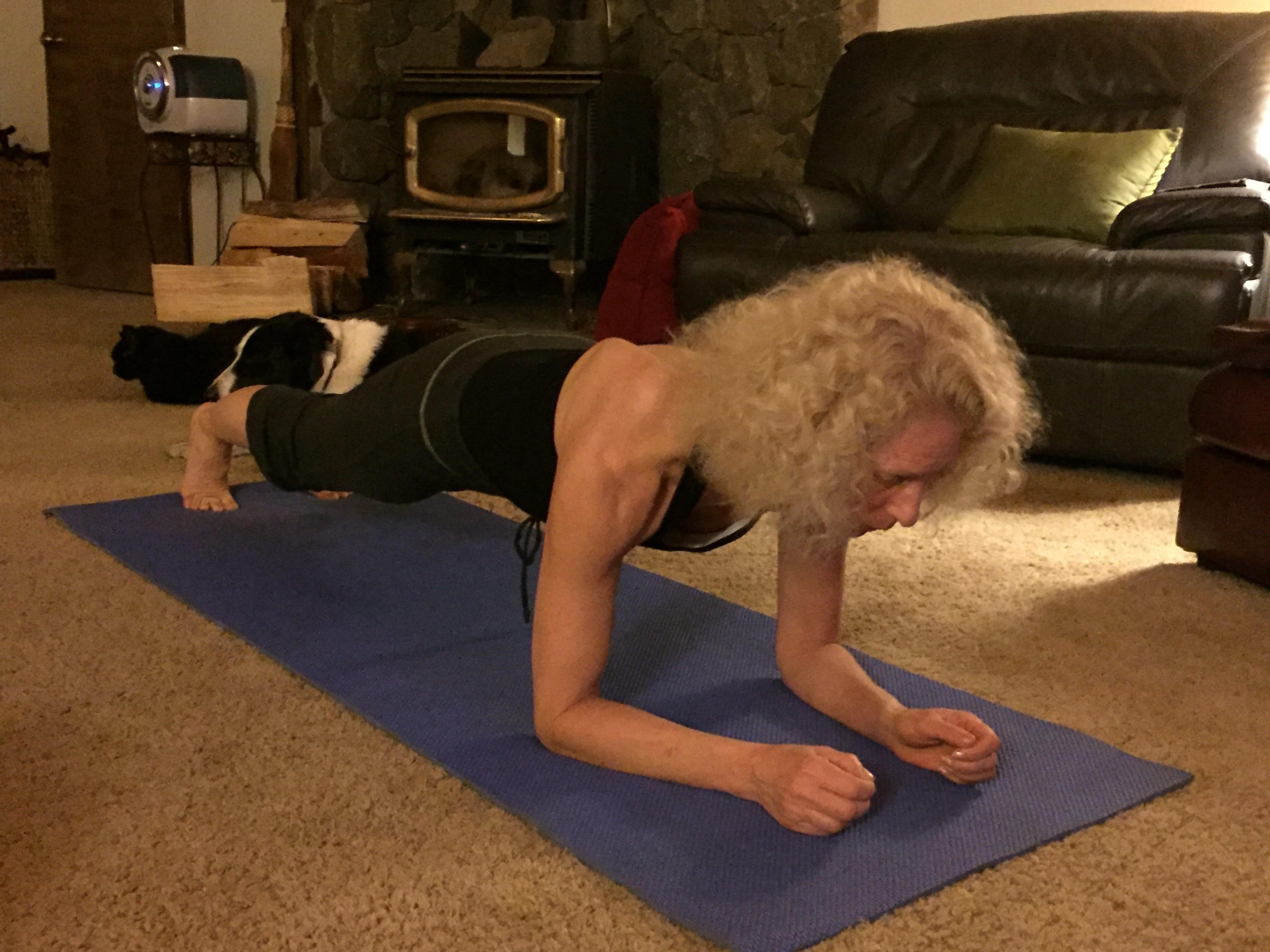
Flexibility and mobility determine not just how far your body moves, but how freely. Stretching is the first thing cut when time is short — and the first thing people wish they’d kept when stiffness limits what they love.
Quick tip: Ten minutes of movement after exercise, while tissues are warm, beats 30 minutes of cold, reluctant stretching. Focus on the hips, thoracic spine, and shoulders — those three govern most of what people complain about losing.
The Real Work
The body adapts to whatever you consistently ask of it. That’s not a metaphor. It’s biology.
Ask it to be still, and it optimizes for stillness. Ask it to push without rest, and it starts breaking down the very tissues you’re trying to strengthen. The body is always listening. The question is what you’re telling it.
If you’re just beginning to move again — start where you are, not where you think you should be. One honest walk beats an ambitious program you abandon in two weeks. Your innate intelligence already knows the way back. Take the first step and trust the next one will follow.
If you live at the edge of your limits, you already know the difference between productive suffering and the kind that quietly becomes injury. That knowing is your innate intelligence. Honor it. The goal isn’t to do less. It’s to let your educated mind serve your body’s wisdom, so when you need to reach 110%, that capacity is actually there.
For everyone in between — examine the beliefs that drive your behavior. Those beliefs are your educated intelligence. Your body’s quiet signals are something older and wiser. When the two are in conversation rather than conflict, that’s when real conditioning begins.
That is the real work. And it never really ends.
Want to go deeper?
I work one-on-one with active people who want to move with more intention, build smarter, and stay ahead of the patterns that lead to breakdown — whether you’re finding your way back to movement or looking to perform at a higher level for years to come. Learn more at activetahoe.com.